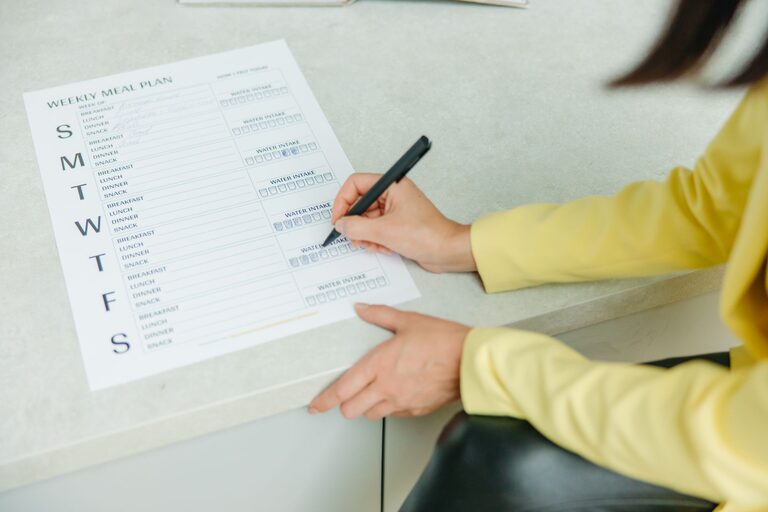
Planning meals for the week can make everyday cooking easier, faster, and less stressful. Instead of deciding what to make at the last minute, you can choose a few reliable meals, organize your shopping list, and prepare ingredients ahead of time.
A weekly meal plan does not need to be complicated. The goal is to create a flexible guide that fits your schedule, budget, cooking skills, and personal preferences. With a few simple steps, you can build a plan that works for your household.
Start With Your Schedule
Before choosing recipes, look at the week ahead. Your schedule should guide your meal plan.
Consider:
– Which nights will you have more time to cook?
– Which days will be busy?
– Do you have plans that include a meal away from home?
– Will you need lunches for work or school?
– Are there leftovers that can be used later in the week?
Place quick meals on busy nights and save longer recipes for days when you have more time. For example, a slow-cooked meal may work well on a relaxed weekend, while sandwiches, pasta, or a sheet-pan dinner may be better for a busy evening.
You do not have to plan every meal in detail. Some people plan dinners only, while others include breakfasts, lunches, and snacks. Start with the meals that cause the most stress and expand your plan as it becomes part of your routine.
Choose a Simple Meal Structure
A useful meal plan includes variety without requiring a completely different recipe every day. One way to create structure is to assign a general theme to each day.
For example:
– Monday: Pasta or grain bowl
– Tuesday: Tacos or wraps
– Wednesday: Soup or stew
– Thursday: Roasted meal
– Friday: Homemade pizza or sandwiches
– Saturday: Leftovers or a flexible meal
– Sunday: A favorite family recipe
Themes make it easier to choose meals while keeping the week interesting. You can also repeat favorite dishes regularly. Repeating meals is not a problem if they are easy, affordable, and enjoyed by the people at your table.
Another option is to choose a few main ingredients and use them in different ways. Cook a batch of rice, for example, and serve it with roasted vegetables one night and in a fried rice dish later in the week. This approach saves time and helps you use ingredients before they go to waste.
Build Your Plan Around Familiar Meals
Start with meals you already know how to prepare. New recipes can be enjoyable, but using too many at once may make meal planning feel like extra work.
Create a personal list of dependable meals, such as:
– Vegetable pasta
– Baked chicken with potatoes
– Bean and rice bowls
– Stir-fried vegetables with noodles
– Soup with bread
– Omelets with toast and fruit
– Sandwiches with a simple side salad
Keep the list in a notebook, phone app, or document. Over time, it can become your personal recipe bank. Add notes about cooking time, favorite side dishes, and ingredients that are easy to keep on hand.
When trying a new recipe, choose just one or two each week. This leaves room for familiar meals and gives you time to learn what you like.
Check What You Already Have
Before making a grocery list, look through your refrigerator, freezer, and pantry. You may already have ingredients that can form the base of several meals.
Check for:
– Fresh produce
– Frozen vegetables and fruit
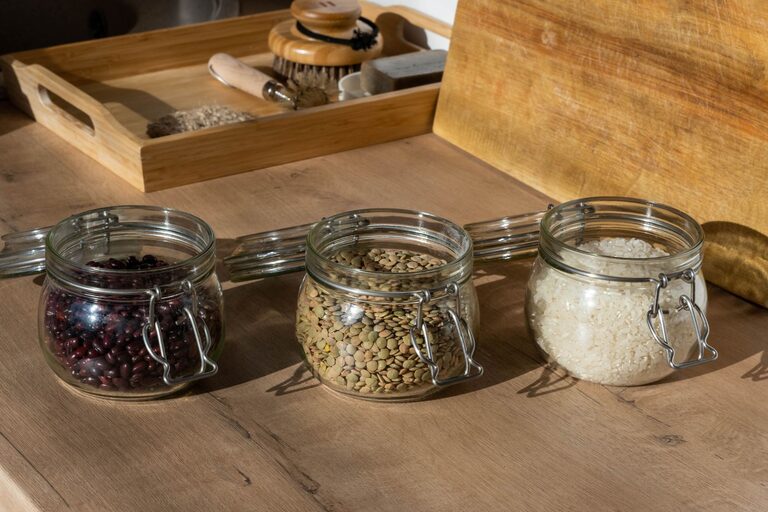
– Rice, pasta, oats, and other grains
– Canned beans, tomatoes, and soup
– Eggs, cheese, and other refrigerated foods
– Sauces, spices, and cooking oils
– Frozen meat or other main ingredients
Using what you already have can reduce food waste and lower your grocery bill. It also prevents you from buying duplicate items.
A good method is to choose one or two ingredients that need to be used soon and build meals around them. If you have extra vegetables, plan a stir-fry, soup, or roasted vegetable dish. If you have cooked grains, use them in bowls, salads, or a quick skillet meal.
Create a Practical Grocery List
Once your meals are chosen, write a grocery list organized by store section. This makes shopping faster and helps you stay focused.
Useful categories include:
– Produce
– Meat, seafood, or plant-based proteins
– Dairy and refrigerated items
– Pantry foods
– Frozen foods
– Bread and bakery items
Review each recipe and note the exact ingredients you need. Then compare the list with what you already have at home. Combine repeated ingredients so you do not buy more than necessary.
For example, if three meals use onions, list the total amount needed rather than writing onions three separate times. Remember to include basic items such as cooking oil, seasonings, and lunch supplies if you are running low.
A grocery list should be realistic. If you know you will not have time to wash and cut produce, consider buying convenient options such as frozen vegetables or prewashed greens. Convenience can be useful when it helps you follow the plan.
Plan for Leftovers
Leftovers are one of the easiest ways to simplify weekly cooking. When preparing a meal, make enough for another lunch or dinner if the food stores well.
Plan how leftovers will be used before cooking. For instance:
– Serve roasted vegetables as a side dish, then add them to a grain bowl.
– Use leftover chicken in wraps, salads, or soup.
– Turn extra cooked pasta into a cold pasta salad.
– Add leftover beans to tacos, rice, or a simple skillet meal.
– Use extra rice for a quick fried rice dish.
Store leftovers in clean, covered containers and label them with the date when helpful. Keep the plan flexible so leftovers can replace a meal when needed. This prevents good food from being forgotten in the refrigerator.
Prepare a Few Ingredients Ahead
You do not need to spend an entire day preparing every meal. A short preparation session can make the rest of the week easier.
Depending on your schedule, you might:
– Wash and cut vegetables
– Cook rice, pasta, or another grain
– Prepare a simple sauce or dressing
– Portion snacks into containers
– Marinate ingredients for a later meal
– Make a batch of soup or roasted vegetables
Choose only tasks that will save time later. If you dislike large preparation sessions, prepare one ingredient each evening instead. Even small steps can make cooking feel more manageable.
Store prepared ingredients properly and use items that are most perishable earlier in the week. Frozen foods and shelf-stable ingredients can be saved for later days.
Keep the Plan Flexible
A meal plan is a guide, not a strict schedule. Plans may change because of unexpected events, missing ingredients, or changing preferences.
Keep one or two flexible meal options available, such as:
– A frozen meal
– Eggs and toast
– Canned soup with bread
– Pasta with a simple sauce
– Sandwiches and fresh vegetables
– Leftovers from an earlier meal
You can also switch meals between days without changing the grocery list. If you planned soup for Tuesday but have more time to cook on Wednesday, simply adjust the order.
At the end of the week, take a few minutes to review what worked. Note which meals were popular, which recipes took too long, and which ingredients went unused. Use those observations to improve next week’s plan.
A Simple Weekly Planning Routine
Set aside 15 to 20 minutes once a week to complete these steps:
- Check your schedule.
- Review the food you already have.
- Choose five to seven meals.
- Plan how leftovers will be used.
- Write a grocery list.
- Prepare one or two ingredients in advance.
- Leave room for changes.
The best meal plan is one you can repeat without feeling overwhelmed. Start small, rely on familiar meals, and make adjustments as you learn what works. With a little planning, weekly cooking can become a smoother and more enjoyable part of your routine.
About the Author