Self-care does not have to involve expensive products, special equipment, or a full day away from your responsibilities. Often, the most helpful activities are simple, familiar, and easy to fit into your schedule. A few quiet minutes, a comfortable space, and a little intention can make a meaningful difference in how your day feels.
The ideas below are designed to be affordable and flexible. Choose one that matches your energy level, or combine a few to create a relaxing routine at home.
Create a Calm Corner
A dedicated space can make it easier to pause and recharge. You do not need a separate room. A comfortable chair, a spot on the couch, or a cleared section of your bedroom can work just as well.
To create a calm corner:
– Remove a few unnecessary items from the area.
– Add a blanket, pillow, or other item that feels comfortable.
– Keep a book, notebook, or quiet activity nearby.
– Use natural light when possible.
– Play soft music or enjoy a few minutes of quiet.
The goal is not to create a perfect space. It is simply to have one place associated with rest and a slower pace.
Take a Screen-Free Break
Screens are part of everyday life, but stepping away from them can help your break feel more refreshing. Try setting aside 15 to 30 minutes without your phone, television, or computer.
During that time, you could:
– Sit by a window.
– Read a few pages of a book.
– Listen to music.
– Drink a favorite beverage.
– Look through printed photos.
– Do a simple puzzle.
– Spend time with a pet.
If a full screen-free evening feels unrealistic, start with a short break. Even a few uninterrupted minutes can give your attention a chance to settle.
Enjoy a Simple At-Home Spa Moment
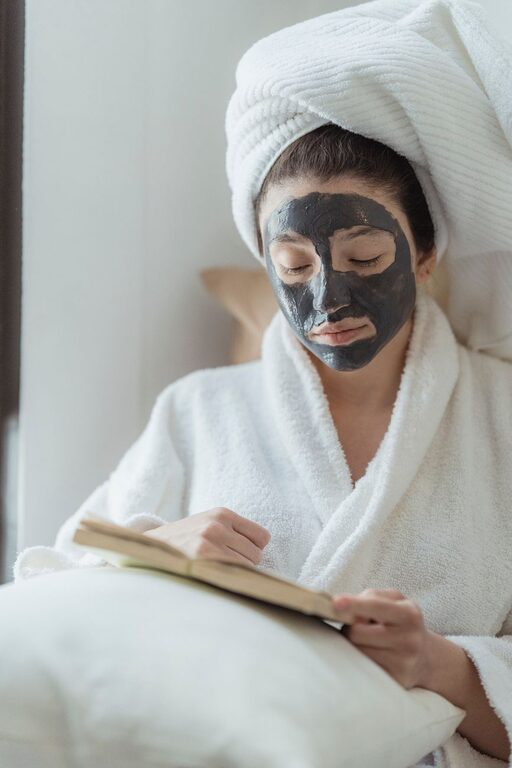
You can create a relaxing spa-inspired experience using items you already have. The focus is on slowing down and enjoying ordinary routines rather than buying special products.
Try taking a warm shower or bath, followed by clean pajamas and fresh bedding. You might also wash your face, apply a basic moisturizer, or soak your hands in warm water. Use products you already know and enjoy, and avoid feeling pressured to purchase a long list of extras.
For an added touch, dim the lights, play calming music, or place a clean towel nearby. Small details can make a familiar routine feel more intentional.
Make a Comforting Drink
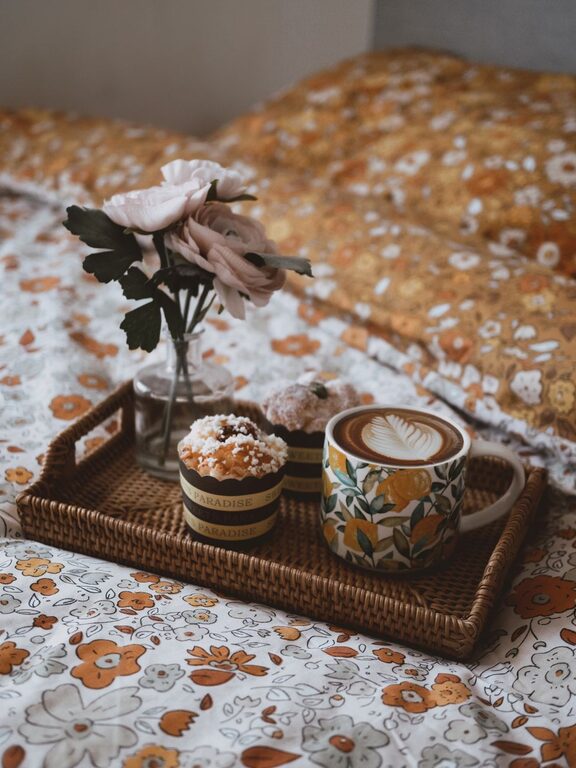
Preparing a drink can become a simple ritual. Choose tea, coffee, cocoa, lemon water, or another favorite option. Instead of rushing through it, focus on the process.
Warm the water, choose a favorite cup, and take a few quiet minutes to enjoy the flavor and temperature. You can pair the drink with reading, journaling, or conversation.
If you prefer a cold drink, try making flavored water with fruit, herbs, or citrus slices. The activity can be just as enjoyable as the finished drink.
Try Gentle Movement
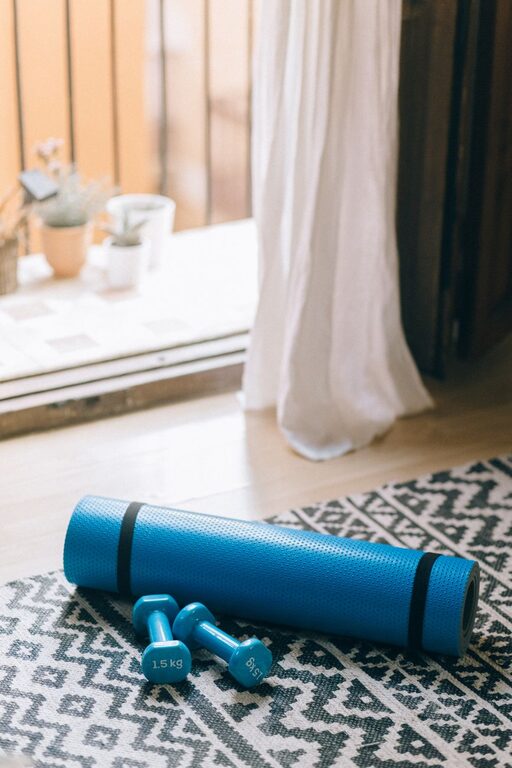
Self-care can include movement that feels pleasant rather than demanding. Stretching, walking around your home, dancing to a few favorite songs, or following a free beginner-friendly video can help break up a long day.
Keep the activity comfortable and choose movements that suit your energy level. You might try:
– Shoulder and neck stretches.
– A short walk around the block.
– Light dancing while tidying.
– A few minutes of relaxed stretching before bed.
– An easy mobility routine.
There is no need to set a demanding goal. The purpose is to reconnect with your body and add a little movement to your day.
Start a Gratitude or Reflection Journal
Writing can help you slow down and notice what is happening in your life. A journal does not need to be long or carefully written. Use a notebook, the notes app on your phone, or a few sheets of scrap paper.
You could write about:
– One good moment from the day.
– Something that made you smile.
– A task you completed.
– A place or person you appreciate.
– What you would like to make time for tomorrow.
– A thought you want to set aside for the evening.
If traditional journaling feels difficult, try making a list, drawing, or writing one sentence. There are no rules about how your journal should look.
Revisit a Low-Cost Hobby
Hobbies can bring a sense of enjoyment without requiring a major investment. Consider activities you already have supplies for, such as drawing, coloring, baking, reading, knitting, photography, gardening, or listening to music.
You can also look for free ways to explore a new interest. Libraries, community websites, and online learning platforms often offer free books, classes, tutorials, and creative resources.
Set aside a small block of time and focus on the activity without worrying about the result. A hobby is allowed to be enjoyable simply because you like doing it.
Organize One Small Area
Tidying can be a helpful form of self-care when it makes your space more comfortable. The key is to keep the task small. Instead of trying to clean your entire home, choose one drawer, shelf, countertop, or corner.
Set a timer for 10 or 15 minutes and sort items into simple groups:
– Keep.
– Move to another room.
– Donate or recycle.
– Discard.
Stop when the timer ends, even if the area is not perfect. A small improvement can make the room feel more manageable without turning self-care into a long chore.
Plan a Cozy Evening
A planned evening can help you look forward to time at home. Choose a few inexpensive comforts, such as a homemade meal, a favorite movie, clean sheets, or a book.
You might create a simple schedule:
- Finish essential tasks.
- Prepare an easy meal or snack.
- Take a shower or change into comfortable clothes.
- Choose one relaxing activity.
- Set aside a few quiet minutes before bed.
Planning does not need to be strict. It simply gives your evening a sense of shape and helps protect time for rest.
Practice Saying No to Extra Pressure
Self-care also includes making room for your own needs. You may not be able to accept every invitation, answer every message immediately, or complete every task in one day.
When possible, give yourself permission to:
– Delay a nonurgent task.
– Turn down plans when you need quiet time.
– Set a simple boundary around personal time.
– Ask for help with a shared responsibility.
– Choose “good enough” instead of perfect.
Small boundaries can protect your energy and make your time at home feel more restorative.
Build a Routine That Feels Realistic
The best self-care routine is one you can actually maintain. Start with one or two activities that take less than 20 minutes. You might enjoy a morning drink without your phone, a short evening walk, or a few pages of reading before bed.
Notice what feels genuinely refreshing and repeat those activities. Self-care is not a competition or another item to complete perfectly. It is a way to make regular space for rest, enjoyment, and connection in everyday life.
About the Author