A dedicated workout corner can make exercise easier to start and simpler to maintain. You do not need a large room, expensive machines, or a complete home gym. With a small amount of planning, you can create a comfortable space for stretching, strength exercises, yoga, bodyweight workouts, or light cardio.
The key is to build a corner that fits your home, your routine, and the types of movement you enjoy. Here is how to create a simple and useful workout area step by step.
Choose the Right Location
Start by looking for a space that is easy to access and comfortable to use. A workout corner can fit in a bedroom, living room, home office, basement, or even a covered outdoor area.
Consider these factors:
– Floor space: You should be able to stand, stretch, and move your arms without hitting furniture or walls.
– Ventilation: Fresh air can make the space more comfortable, especially during longer sessions.
– Lighting: Natural light is helpful, but a bright lamp can also work well.
– Noise: Choose a location where jumping or dropping equipment will not disturb others.
– Privacy: A corner where you feel comfortable can make it easier to stay focused.
– Accessibility: The easier it is to reach your equipment, the more likely you are to use it.
You do not need an empty room. A clear area of about six feet by six feet can be enough for many basic exercises. Before choosing the final location, move through a few simple actions, such as reaching overhead, bending, and stepping from side to side. This helps you identify possible obstacles.
Clear and Prepare the Area
Once you choose a location, remove items that could get in the way. Move small tables, baskets, toys, and loose cables outside the workout area. If the space has a rug, check that it stays firmly in place.
A stable, level surface is important. Hardwood, tile, carpet, and rubber flooring can all work, but each surface has different needs. A hard floor may benefit from an exercise mat, while a thick carpet may provide enough comfort for light floor exercises.
If you are using a shared room, create a visual boundary for your workout corner. A mat, small shelf, or storage basket can help define the area without taking up much space. When your workout items stay together, setting up takes less time.
Start With Basic Equipment
The best equipment is equipment you will use regularly. Begin with a few versatile items instead of buying a large collection all at once.
Exercise Mat
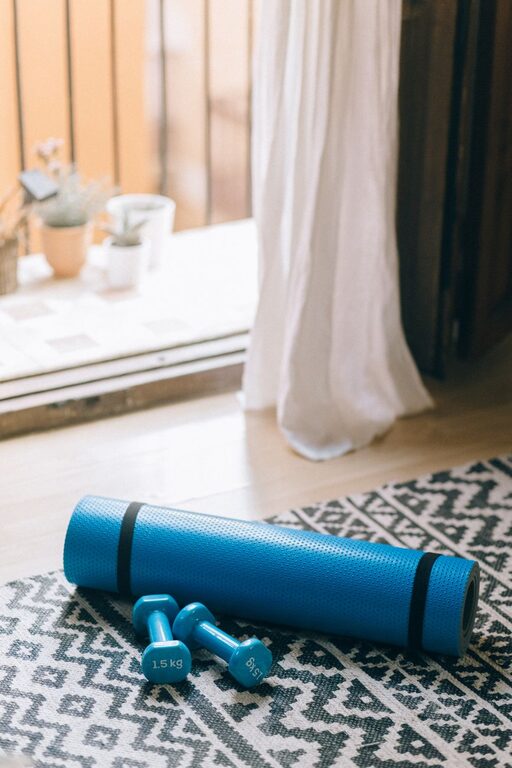
An exercise mat provides comfort and helps define your workout space. It can be useful for stretching, floor exercises, yoga, and bodyweight movements. Choose a mat that is long enough for you to lie down comfortably and thick enough for the surfaces in your home.
Look for a mat that is:
– Easy to clean
– Simple to roll or store
– Grippy enough to reduce sliding
– Comfortable for your knees and hands
Resistance Bands
Resistance bands are lightweight, affordable, and easy to store. They can support many types of exercises and are available in different resistance levels. A small set may include loop bands and longer bands with handles.
Because resistance varies between brands, start with a level that allows smooth, controlled movement. Store the bands away from sharp edges and direct heat to help protect the material.
Light Weights
A pair of light dumbbells can add variety to a home routine. Adjustable dumbbells can save space, but standard pairs are often simpler and less expensive. Choose a manageable starting weight that lets you maintain good control.
You can also use household items, such as filled water bottles, for some exercises. However, purpose-made equipment is usually easier to grip and more balanced.
Optional Additions
After using your space for a few weeks, you may decide that a few extras would be useful. Consider adding:
– A jump rope, if your ceiling height and flooring allow it
– A small step platform
– A foam roller
– A stability ball
– A wall mirror for checking alignment
– A phone stand for guided workouts
Add items based on your actual habits rather than buying equipment because it looks useful. A simple space that you use is better than a fully equipped space that becomes cluttered.
Plan Simple Storage
Good storage keeps your workout corner ready without making the room feel crowded. Use a basket, open shelf, storage cube, or narrow cabinet for small items.
Keep frequently used equipment within easy reach. For example, place your mat where it can be rolled out quickly and keep bands in a small container nearby. Heavier items should sit securely on a low shelf or on the floor to reduce the chance of falling.
Avoid placing equipment in walkways, near doors, or where it could create a tripping hazard. Check that shelves are stable and that stored items cannot easily slide off.
If your space is very small, use vertical storage. Wall hooks can hold resistance bands, jump ropes, or towels, while a narrow rack can organize weights. Always use storage products according to their instructions and make sure they are suitable for the equipment being stored.
Make the Space Comfortable
A comfortable environment can help you stay consistent. Small details often make a noticeable difference.
You might include:
– A towel or small basket for workout accessories
– A water bottle placed on a stable surface
– A fan for airflow
– A clock or simple timer
– A speaker or headphones
– A nearby laundry basket for used towels
Keep decorations limited so the area remains easy to clean. A plant, framed print, or favorite color can make the corner feel inviting without filling it with unnecessary items.
If you use video workouts, position your phone, tablet, or television where you can see it without twisting your neck. Keep cords away from the movement area and unplug devices when needed.
Add Safety Checks
Before each workout, take a moment to check the area. Make sure the floor is dry, the mat is flat, and equipment is in good condition. Replace bands that show cracks, tears, or other visible damage.
Leave enough room between you and nearby furniture. If you use weights, place them down carefully rather than dropping them. For exercises involving jumping or quick movement, confirm that the floor provides enough grip and that the ceiling is high enough.
Start with movements you understand and can perform comfortably. Use controlled motions and take breaks when needed. If an exercise causes unusual discomfort, stop and choose a different activity. For specialized concerns or personal guidance, consider speaking with a qualified fitness professional.
Build a Routine Around the Corner
A workout corner becomes more valuable when it supports a realistic routine. Decide when you are most likely to use it. Some people prefer a short session in the morning, while others exercise after work or during a midday break.
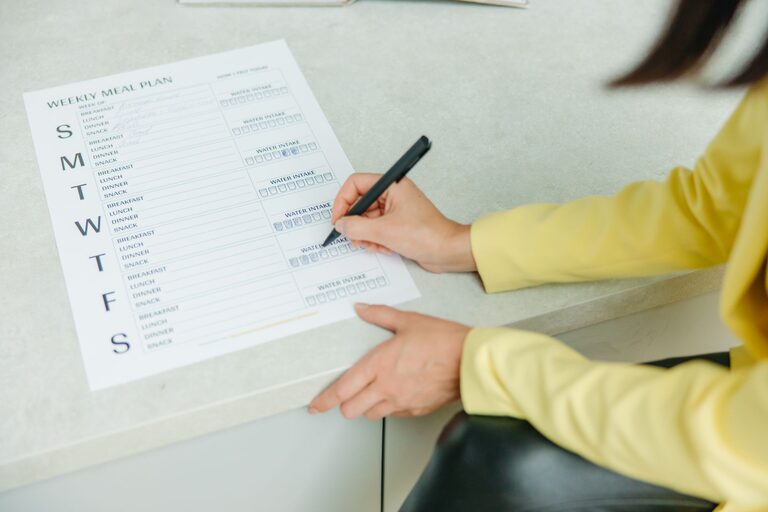
Make the first goal simple. For example, plan three short sessions per week using a mix of warm-up movements, strength exercises, and stretching. You can also keep a basic record of the days you exercise and the equipment you use.
Prepare the space in advance by laying out your mat or placing your workout clothes nearby. This removes small barriers and makes it easier to begin. Keep your routine flexible so it can fit busy days. A short session is still useful when a longer workout is not practical.
Review and Improve Over Time
After a few weeks, consider what is working and what is not. You may discover that certain equipment is rarely used or that the corner needs better lighting. Make small changes rather than redesigning the entire space.
Ask yourself:
– Do I have enough room to move comfortably?
– Can I reach my equipment quickly?
– Is the flooring secure?
– Does the space feel pleasant to use?
– Which items do I use most often?
– Is anything creating clutter or a safety problem?
A simple workout corner should support your lifestyle, not add stress to it. Start with an open area, a comfortable mat, and a few versatile tools. As your routine develops, you can adjust the equipment and layout to create a home fitness space that is practical, welcoming, and easy to use.
About the Author