
Why Pantry Meal Planning Works
Planning meals from pantry staples can save time, reduce grocery trips, and help you use ingredients before they go to waste. A well-stocked pantry gives you a reliable starting point for breakfast, lunch, dinner, and snacks.
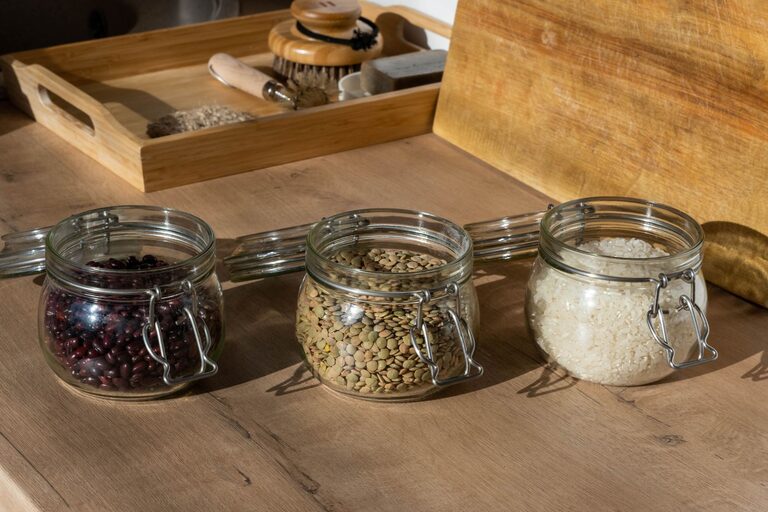
The key is not keeping every possible ingredient on hand. Instead, focus on versatile foods that can be combined in several ways. Staples such as rice, pasta, beans, canned tomatoes, oats, flour, spices, and broth can become many different meals with a few fresh or frozen additions.
Pantry meal planning also makes busy days easier. When you know what ingredients are available and have a few meal ideas ready, you are less likely to rely on takeout or make an unnecessary grocery run.
Take Inventory Before Planning
Start by checking what you already have. Group ingredients by type so you can quickly see which foods need to be used first.
Common pantry categories
– Grains: rice, pasta, oats, couscous, quinoa, and barley
– Canned foods: beans, tomatoes, corn, peas, tuna, and soups
– Dry goods: lentils, split peas, flour, breadcrumbs, and dried fruit
– Flavor builders: cooking oil, vinegar, soy sauce, mustard, and broth
– Seasonings: salt, pepper, garlic powder, paprika, chili powder, and dried herbs
– Baking supplies: baking powder, sugar, and nut butter
Also check your refrigerator and freezer. Frozen vegetables, eggs, cheese, tortillas, onions, and carrots can turn a basic pantry meal into something more complete.
As you take inventory, note expiration dates and place older items toward the front. This simple habit makes it easier to use foods in the right order.
Build Meals Around a Simple Formula
A practical way to plan pantry meals is to combine four basic elements:
- A base, such as rice, pasta, potatoes, oats, or bread
- A protein source, such as beans, lentils, eggs, canned fish, or nut butter
- A vegetable or fruit, fresh, frozen, or canned
- A sauce or seasoning blend for flavor
Not every meal needs all four elements, but this formula helps create variety and satisfying combinations.
For example, rice can be paired with beans, frozen vegetables, and a simple soy-based sauce. Pasta can be combined with canned tomatoes, lentils, and Italian herbs. Oats can be topped with canned or dried fruit, cinnamon, and nut butter.
The same ingredients can taste completely different when you change the seasoning. Try curry powder one day, garlic and herbs the next, and chili powder or smoked paprika another time.
Choose Flexible Pantry Staples
When shopping, prioritize ingredients that work across several types of meals. This gives you more options without requiring a large supply of food.
Useful grains and starches
Rice, pasta, oats, potatoes, tortillas, and couscous can serve as the foundation for many dishes. Rice can be used in bowls, soups, stuffed vegetables, or fried rice. Pasta works with tomato sauce, beans, vegetables, or broth. Oats are useful for breakfast, snacks, and simple baked recipes.
Reliable protein sources
Beans, lentils, chickpeas, eggs, canned fish, peanut butter, and shelf-stable tofu can add substance to meals. Dried beans and lentils are often economical, while canned versions are convenient when time is limited.
Flavorful canned foods
Canned tomatoes, coconut milk, green chiles, corn, and olives can add moisture and flavor. Broth is also useful for soups, sauces, rice dishes, and grains.
Long-lasting flavor ingredients
Keep a small selection of oils, vinegars, sauces, spices, and dried herbs. These ingredients can change the character of a meal without requiring a completely different shopping list.
Plan by Meal Type, Not Just by Recipe
Instead of choosing seven exact recipes, plan a few meal types for the week. This approach gives you structure while leaving room for substitutions.
For example, your plan might include:
– Two grain bowls
– One pasta dish
– One soup or stew
– One skillet meal
– One breakfast-for-dinner meal
– One leftover night
– One flexible meal using ingredients that need to be used
This method is especially helpful when you do not know exactly what fresh ingredients will be available. If a recipe calls for spinach but you have frozen peas, you can make the substitution without changing the entire plan.
Create a Pantry Meal List
Keep a short list of meal ideas that use ingredients you often have. The list can be stored on your phone, printed, or placed inside a cabinet door.
Easy pantry-based meal ideas
– Tomato and white bean pasta
– Lentil soup with rice or bread
– Chickpea curry with rice
– Bean and corn quesadillas
– Vegetable fried rice with eggs
– Tuna or chickpea salad sandwiches
– Pasta with garlic, oil, and canned vegetables
– Oatmeal with fruit and nut butter
– Baked potatoes with beans and cheese
– Tomato soup with toast or grilled cheese
This list does not need to contain full recipes. A few ingredient combinations and seasoning ideas are often enough to get started.
Use a Mix-and-Match System
A mix-and-match system helps you plan quickly. Choose two or three options from each category and combine them throughout the week.
Base options
– Rice
– Pasta
– Potatoes
– Bread
– Tortillas
Protein options
– Black beans
– Chickpeas
– Lentils
– Eggs
– Canned tuna
Vegetable options
– Frozen peas
– Canned corn
– Carrots
– Canned tomatoes
– Frozen mixed vegetables
Flavor options
– Tomato and herb sauce
– Soy and garlic sauce
– Curry seasoning
– Salsa
– Lemon and olive oil
For example, black beans can be used in rice bowls, quesadillas, soup, or a baked potato topping. Changing the base and seasoning keeps the meals from feeling repetitive.
Plan for Leftovers on Purpose
Leftovers are easier to use when you plan them into the week. Cook a larger batch of one basic ingredient, then use it in different meals.
A pot of rice can become a side dish, a grain bowl, fried rice, or filling for wraps. Cooked lentils can be added to soup, pasta sauce, salads, or grain bowls. Roasted vegetables can be served with eggs, mixed into pasta, or added to sandwiches.
Store leftovers in shallow containers and label them with the date. Place them where they are easy to see so they do not get forgotten. If you know you will not eat something soon, freeze it in a suitable container.
Make Substitutions Without Stress
Pantry cooking is naturally flexible. If you are missing one ingredient, look for something with a similar role.
– Rice can often replace couscous, quinoa, or another grain.
– Beans can replace lentils or canned meat in many dishes.
– Frozen vegetables can replace fresh vegetables.
– Vinegar or lemon juice can add brightness when you do not have fresh citrus.
– Yogurt, mashed avocado, or hummus can replace a creamy sauce.
– Dried herbs can replace fresh herbs, although you may need less.
Think about the purpose of the ingredient. Is it adding protein, texture, moisture, sweetness, or flavor? Once you identify its role, finding a substitute becomes much easier.
Keep a Small Shopping List
After checking your pantry, create a short shopping list focused on items that complete several meals. Fresh produce, eggs, milk, cheese, bread, and a few favorite vegetables may be enough to support a full week of pantry-based cooking.
Avoid buying ingredients for only one recipe unless you already have a plan to use the rest. Choose foods that can fit into multiple meals, such as onions, carrots, greens, apples, bananas, and plain yogurt.
A flexible pantry does not need to be large. With a few dependable staples, a simple planning system, and a willingness to substitute, you can prepare varied meals with less effort and fewer wasted ingredients.
About the Author