
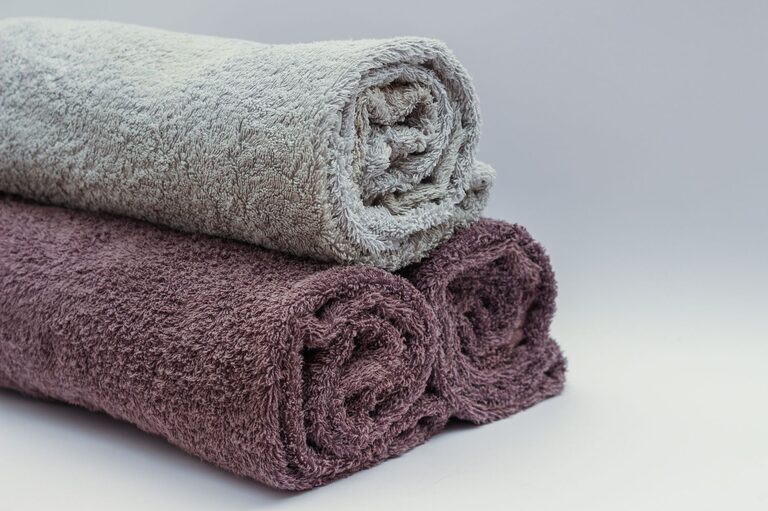
Towels work hard every day, absorbing water, body oils, soap, and moisture. Without proper care, they can start to smell musty, feel rough, or lose their ability to absorb water. The good news is that a few simple laundry and storage habits can help keep towels fresh, fluffy, and comfortable for much longer.
Wash Towels the Right Way
How you wash your towels has a major effect on their softness and freshness. Always check the care label first, especially if the towel contains decorative details or delicate fibers.
Avoid overloading the washing machine
Towels need plenty of room to move through the water. If the machine is packed too tightly, detergent may not rinse away properly, and the towels may not get fully clean. Overloading can also make towels come out stiff or unevenly dried.
As a general rule, fill the drum loosely rather than pressing items down. Washing towels separately from clothing can also help prevent lint from collecting on other fabrics.
Use the right amount of detergent
More detergent does not always mean cleaner towels. Excess soap can build up in the fibers, making them feel coated, stiff, or less absorbent. Use the amount recommended on the detergent label, adjusting for the size of the load and the soil level.
If your towels feel waxy or do not absorb water well, detergent buildup may be part of the problem. Running an occasional extra rinse can help remove residue.
Choose a suitable water temperature
Warm or hot water can help remove body oils and product residue, but always follow the care instructions on the towel label. Some towels may be designed for cooler washes.
A regular warm wash is often a practical choice for everyday bath towels. Cooler water may be suitable for lightly used towels or for saving energy, while hotter settings can be useful when the care label permits them.
Be Careful With Fabric Softener
Fabric softener can make some fabrics feel smooth, but it may reduce the absorbency of towels. Many softeners leave a coating on the fibers, which can prevent towels from soaking up water effectively.
If softness is important to you, try reducing or skipping fabric softener for towel loads. Towels can remain comfortable without it when they are washed with the correct amount of detergent and dried properly.
Some people use a small amount of white vinegar in the rinse cycle to help remove detergent residue. If you choose to do this, follow your washing machine’s instructions and never mix vinegar with chlorine bleach. Vinegar should not be treated as a substitute for proper washing or cleaning.
Dry Towels Thoroughly
Damp towels are more likely to develop a musty smell. Drying them completely after washing is one of the most important steps in keeping them fresh.
Shake towels before drying
Before placing towels in the dryer or hanging them up, give each one a quick shake. This helps separate the fibers and removes some wrinkles, allowing air to circulate more freely.
If towels have been sitting in the washing machine for a while, shake them out before drying. Leaving wet laundry in the machine for an extended period can lead to unpleasant odors.
Avoid over-drying
High heat and long drying times can damage cotton fibers and make towels feel rough. Use a moderate heat setting when possible, and remove the towels as soon as they are fully dry.
Dryer balls can help separate towels and improve airflow. They may also reduce drying time and help prevent towels from becoming tightly packed during the cycle.
Use an outdoor drying line when practical
Fresh air and sunlight can help towels smell clean and natural. Hang them with enough space between each item so air can move around them.
However, leaving towels in strong direct sunlight for too long may fade colored fabrics and make some materials feel stiff. If line-dried towels feel firm, placing them in the dryer for a few minutes on a low setting can help soften the fibers.
Keep Towels Fresh Between Washes
Good habits after each use can make towels last longer and reduce odors.
– Hang towels fully open instead of leaving them in a heap.
– Use a wide towel bar or several hooks if possible.
– Make sure the towel is not folded over itself while it is still wet.
– Allow the bathroom to air out after showers.
– Avoid sharing one small towel among several people.
– Wash towels more often if they stay damp or are used frequently.
A towel should be able to dry completely between uses. If it remains damp for long periods, it may develop a stale smell even if it was recently washed.
Clean the Washing Machine
A washing machine can transfer odors to clean laundry if its drum, gasket, or detergent drawer needs cleaning. Check the manufacturer’s instructions for a machine-cleaning cycle or recommended maintenance routine.
Leave the washer door or lid slightly open after each load, if it is safe to do so. This allows the interior to dry and helps prevent stale odors. Wipe away moisture around the door seal and remove lint or residue from the detergent drawer.
It is also helpful to avoid leaving wet towels inside the washer after the cycle ends. Move them to the dryer or drying line promptly.
Store Towels Properly
Clean towels should be completely dry before they are folded and stored. Even a small amount of trapped moisture can create a musty smell in a closed cupboard.
Fold towels loosely enough that air can circulate. Avoid packing them tightly into a crowded shelf. Store them in a cool, dry area away from plumbing leaks, damp walls, or direct heat.
If your bathroom is humid, consider storing extra towels in a hallway or bedroom linen closet instead. Keeping only the towels currently in use in the bathroom can help protect the rest from excess moisture.
Restore Rough or Musty Towels
If towels have become stiff or smelly, start with a simple reset:
- Wash them according to the care label without overloading the machine.
- Use the recommended amount of detergent.
- Add an extra rinse if soap residue may be present.
- Dry them completely using moderate heat or good airflow.
- Do not store them until they are fully dry.
Avoid combining multiple cleaning products in an attempt to fix the problem. In particular, never mix chlorine bleach with vinegar, ammonia, or other household cleaners.
Know When to Replace Towels
Even well-cared-for towels eventually wear out. Consider replacing a towel when it has persistent odors, thinning areas, frayed edges, or a rough texture that does not improve after proper washing. Towels that no longer absorb water efficiently may also be past their best.
With regular washing, complete drying, and thoughtful storage, quality towels can stay fresh and comfortable for years. Small changes—such as using less detergent, avoiding fabric softener, and hanging towels open after use—can make a noticeable difference in both softness and lifespan.
About the Author