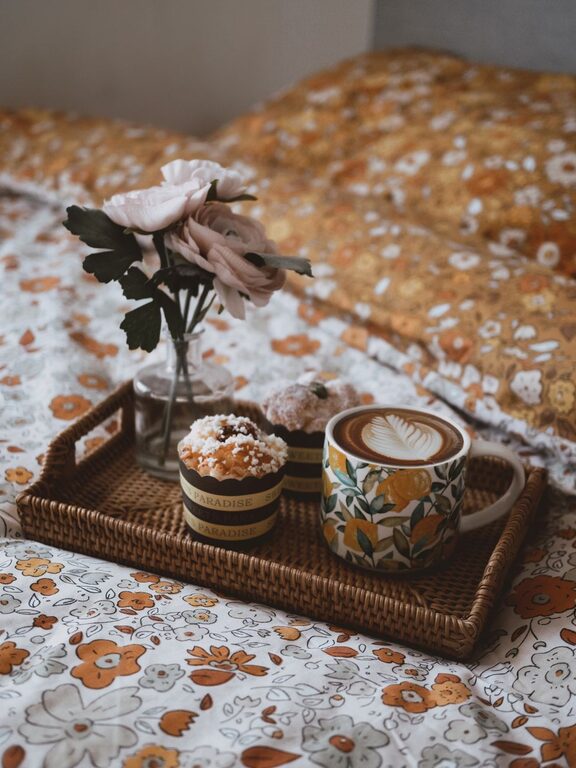

A relaxing evening playlist can make ordinary moments feel more intentional. Whether you are cooking dinner, reading, stretching, or simply preparing for sleep, the right collection of songs can help create a calm atmosphere and mark the transition from a busy day to a quieter night.
Creating a good playlist is about more than choosing slow songs. You also need to consider the order of the tracks, the mood you want to create, and how the music fits into your evening routine. With a little planning, you can build a playlist that feels natural, comfortable, and easy to return to.
Start With the Mood
Before choosing songs, decide how you want the evening to feel. “Relaxing” can mean different things depending on the time of day and your personal taste.
You may want music that feels:
– Warm and peaceful
– Soft and reflective
– Cozy and familiar
– Light and cheerful
– Quiet and atmospheric
– Slow and ready for bedtime
Choosing one main mood gives your playlist direction. A playlist for dinner with friends may include gentle acoustic songs and relaxed jazz, while a playlist for reading may work better with instrumental music and minimal vocals.
Try describing the atmosphere in three words. For example:
– Calm, warm, and simple
– Dreamy, quiet, and spacious
– Gentle, familiar, and comforting
Use these words as a guide whenever you are deciding whether a song belongs in the collection.
Choose a Comfortable Length
The ideal playlist length depends on how you spend your evenings. A short playlist can work well for a specific activity, while a longer one can carry you through several parts of the night.
Consider creating different versions:
– 30 to 45 minutes: Good for dinner, journaling, or a short wind-down routine
– 60 to 90 minutes: Useful for reading, crafting, or relaxing after work
– Two to three hours: Suitable for a full evening at home
– Several hours: Helpful if you prefer not to hear repeated songs
A playlist that is too short may become repetitive. One that is too long may lose its sense of purpose. Start with around 20 to 30 songs, then adjust it after listening from beginning to end.
Pick a Few Anchor Songs
Anchor songs are the tracks that define the overall feeling of the playlist. Choose three to five songs that you know fit the mood particularly well. These tracks can guide the rest of your selections.
When choosing anchor songs, think about:
– The pace and energy
– The tone of the vocals
– The instruments used
– The emotional feeling
– Whether the song feels pleasant after repeated listens
You do not need to select only quiet or slow songs. A gentle mid-tempo track can add warmth and variety without disturbing the mood. The main goal is to avoid sudden changes that feel jarring.
Once you have your anchor songs, add other tracks that share at least one quality with them. This creates a sense of connection without making every song sound identical.
Build a Gentle Flow
Song order has a major effect on how a playlist feels. Even a collection of relaxing songs can seem disorganized if the transitions are too abrupt.
A simple structure is to divide the playlist into three sections.
1. The Arrival
Begin with songs that help you shift out of daytime activities. These tracks can be mellow but should still have enough movement to keep the playlist from feeling flat.
Good choices for the opening section include:
– Light acoustic music
– Relaxed soul or jazz
– Soft pop
– Gentle instrumental pieces
– Familiar songs with a warm tone
2. The Unwind
The middle of the playlist is where the atmosphere can become quieter and more spacious. Choose songs with slower rhythms, softer arrangements, or fewer layers.
This section works well with:
– Piano or guitar
– Ambient sounds
– Low-key electronic music
– Smooth vocal performances
– Instrumental soundtracks
3. The Settle
End with the calmest part of the playlist. The final tracks should feel unhurried and peaceful, especially if you listen while getting ready for bed.
Consider using:
– Minimal instrumentals
– Slow acoustic songs
– Gentle nature-inspired sounds
– Soft vocals
– Tracks with long, quiet endings
The last song should feel like a natural stopping point. Avoid ending with something energetic unless you want the playlist to lead into another activity.
Mix Familiar Favorites With New Discoveries
Familiar songs can make a playlist feel comforting, while new music keeps it interesting. A balanced playlist might include mostly songs you already enjoy, along with a few discoveries that match the same atmosphere.
A useful approach is to follow the 70/30 rule:
– About 70 percent familiar favorites
– About 30 percent new or less familiar tracks
You can find new songs by exploring related artists, album recommendations, curated mood collections, or the work of musicians whose style you already enjoy. Listen to new tracks before adding them permanently. A song may sound relaxing on its own but feel out of place when surrounded by other selections.
It is also helpful to avoid adding every song you like. Save energetic, dramatic, or highly distracting tracks for another playlist if they do not fit the evening mood.
Pay Attention to Lyrics
Lyrics can strongly affect the feeling of a playlist. Some listeners enjoy thoughtful words in the background, while others find vocals distracting during reading or quiet activities.
Think about the type of attention you want to give the music:
– For conversation, choose simple vocals or instrumental songs.
– For reading, consider music with few or no lyrics.
– For reflection, meaningful lyrics may add depth.
– For cooking or relaxing with friends, familiar vocal tracks can create warmth.
If a song has a beautiful sound but lyrics that change the mood in an unwanted way, place it in a separate collection. Your evening playlist should support the atmosphere rather than compete with it.
Make Transitions Feel Natural
Transitions are easier to manage when neighboring songs share one or more qualities. These qualities might include tempo, instruments, volume, or emotional tone.
To improve the flow:
– Place songs with similar tempos near each other.
– Avoid moving suddenly from a quiet ballad to a loud, energetic track.
– Keep large changes in style for the beginning or middle of the playlist.
– Check that songs have similar volume levels.
– Use instrumental tracks as bridges between different styles.
Listen to the playlist with headphones and speakers if possible. A transition that sounds smooth through headphones may feel different in a room. If your music app offers crossfade or gapless playback, test those settings to see whether they improve the listening experience.
Consider the Setting
The same playlist may feel different depending on where and how you listen. Think about the environment you want to create.
For a cozy home evening, you might choose warm, organic sounds such as acoustic guitar, piano, or soft jazz. For a focused reading session, instrumental music may be more suitable. If you are spending time outdoors, gentle folk or nature-inspired sounds may fit the setting.
Volume matters, too. Relaxing music often works best when it remains in the background rather than filling the entire space. Keep it low enough that you can comfortably talk, think, or enjoy quiet moments.
Review and Refresh the Playlist
A playlist does not need to be perfect on the first attempt. Listen to it during a real evening and notice which tracks feel natural and which ones interrupt the mood.
After listening, ask yourself:
– Did the energy change too quickly?
– Were any songs distracting?
– Did the final tracks feel peaceful?
– Was the playlist long enough?
– Did the music suit the activity?
Remove songs that consistently feel out of place, even if you like them individually. You can also refresh the playlist every few weeks by adding one or two new tracks and removing songs that no longer feel right.
Create a Playlist You Will Actually Use
The best relaxing playlist is one that fits your real life. It does not need to follow a particular genre or include the most popular calming songs. It only needs to help you create an evening atmosphere that feels comfortable and personal.
Start with a clear mood, choose a few anchor songs, and arrange the tracks so the energy gradually settles. Add familiar favorites, test the transitions, and adjust the playlist after hearing it in your usual space. Over time, your collection can become a simple and enjoyable part of your evening routine.
About the Author